

Count the logins. Your third-party listing site, your website provider, your SEO agency, your paid search vendor, your social manager, your chat tool, your CRM. A dozen dashboards, each one built to make the vendor behind it look good. When every source grades its own homework, you do not have marketing data. You have twelve sales pitches wearing charts. A single source of truth fixes that, and it has to be one you own.
Why Twelve Logins Never Add Up
Each vendor dashboard is designed to show that vendor in the best light. Attribution windows are set to claim the most credit. Metrics are chosen to flatter. Numbers that would raise questions are buried a few clicks deep or left out entirely.
Put two of them side by side and the story falls apart. Your paid search vendor and your third-party site both claim the same buyer. Add up every dashboard’s sold-car credit and the total is double what your DMS actually shows. It is not that any one vendor is lying outright. It is that none of them are looking at the whole picture, and none of them are incentivized to.
Here is the version most GMs have lived. You sold 100 cars last month. Your paid search vendor claims 60, your third-party site claims 45, your social vendor claims 30, and your SEO agency claims 25. That adds up to 160 sales out of 100 cars. Every one of those numbers is defensible inside that vendor’s own dashboard, because each one counted a buyer who happened to touch it. Stacked together, they prove nothing except that four vendors all reached for the same customers.

What a Single Source of Truth Looks Like
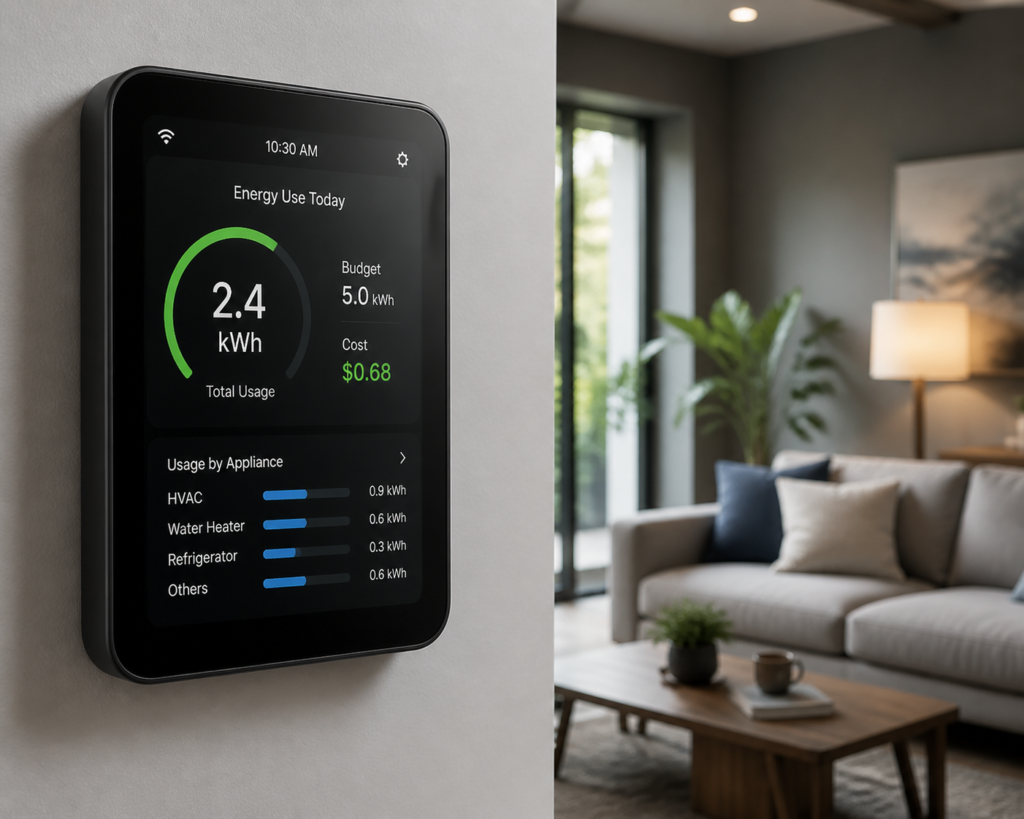
A single source of truth is one dashboard that pulls every channel into the same view, on the same definitions, tied back to actual sold cars from your DMS. Spend goes in from every vendor. Results come from your sales data, not the vendor’s claims. Every channel gets measured the same way, so you can finally compare them fairly.
The point is not a prettier report. It is a neutral referee. When the numbers come from one place you control, no vendor gets to set the scoreboard.
How to Build One
You do not need enterprise software. A tool like Looker Studio, connected to your spend sources and your DMS, gets most dealers where they need to be. The steps are straightforward even if the work takes a little time:
- List every marketing dollar. Pull monthly spend from every vendor and channel into one sheet. This alone surprises most dealers.
- Anchor results to your DMS. Sold cars come from your own sales records, never from a vendor dashboard.
- Use one definition of a conversion. Decide what counts as a sale attributed to a channel, and apply it to every vendor equally.
- Build the view once, refresh it automatically. Connect the data sources so the dashboard updates itself instead of living in a monthly copy-paste.
Start smaller than you think you need to. Even a single spreadsheet with one row per channel, gross spend in one column and cars sold from your DMS in the next, tells you more than all twelve logins combined. One store that did this found it was paying a social vendor 4,000 dollars a month for a channel that matched back to two sold cars, a fact no dashboard had ever put in front of them because no dashboard showed spend and DMS sales in the same place.

Who Owns It Matters Most
The dashboard has to live in your accounts, built on your data, accessible without any vendor’s permission. If a vendor builds it for you and holds the keys, you have just added a thirteenth flattering login. Ownership is the whole point. When a vendor leaves, the data stays. When you want to check a claim, you do not have to ask anyone.
Frequently asked questions
Do I need to buy expensive attribution software?
No. Most dealers get where they need to be with tools they can access for little or nothing, like Looker Studio connected to a spend sheet and DMS export. The value is not in the software, it is in anchoring every channel to real sold cars on one consistent definition. Enterprise platforms can help at scale, but the first honest dashboard usually costs nothing but effort.
Why not just trust my CRM’s attribution?
Your CRM is one more system with its own attribution logic, and often its own vendor relationships. It is closer to the truth than a listing site, but it still may not tie cleanly to gross-level DMS sales or count spend from every channel. Use it as an input, then reconcile against your DMS so the final scoreboard sits somewhere no single vendor controls.
How often should the dashboard be updated?
Monthly is enough for most dealers to make budget decisions, because that matches how you review spend and sold units. If you can automate the data connections so it refreshes on its own, do it, since the harder the report is to build, the less often it actually gets looked at.
A single source of truth does not make marketing decisions for you. It just makes them honest. Once every channel is measured the same way against real sold cars, the vendors carrying you become obvious, and so do the ones you have been carrying.
These are the numbers you should own, not rent from a vendor. See how VCTRS helps dealers hold every vendor accountable on our vendor accountability page.